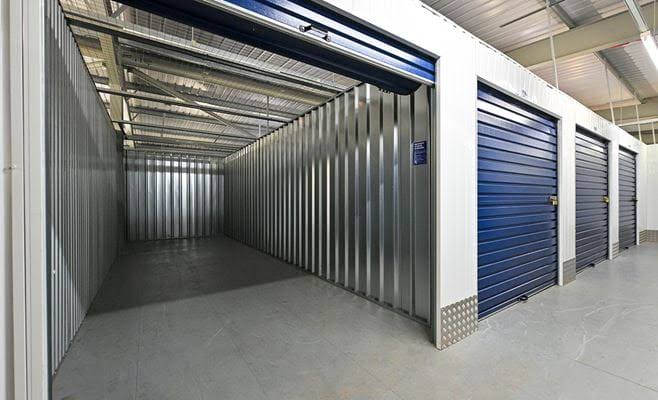
Careful packing protects belongings from scratches, pressure, dust, and shifting even inside a stable storage environment. Climate controlled storage reduces major temperature and humidity swings, but it cannot prevent damage caused by weak boxes, trapped moisture, or poor wrapping. Selecting materials that suit each item helps stored property remain clean, supported, and easier to retrieve.
Sturdy Corrugated Boxes Create a Reliable Base
Double-wall corrugated boxes work well for books, dishes, records, tools, and other dense belongings because their reinforced sides resist crushing. New cartons usually stack more safely than reused boxes that have softened, bent, or absorbed moisture during previous moves.
Matching box sizes also creates stable rows inside storage units. Uniform containers leave fewer uneven gaps, distribute weight more evenly, and make labels easier to see. Smaller cartons should hold heavy items, while larger ones are better suited to bedding, lampshades, and lightweight household goods.
Plastic Totes Suit Items That Need Added Protection
Lidded plastic containers shield contents from dust, minor spills, and pressure from nearby boxes. Seasonal decorations, craft supplies, toys, cables, and washable household items often fit well in clear totes because renters can view the contents without opening every container.
Tight seals require careful use, however, since moisture already inside can remain trapped. Fabrics, papers, and wood pieces should be completely dry before they enter plastic bins. Renters comparing storage units near me should avoid sealing damp property, even when the space offers controlled conditions.
Acid-Free Materials Protect Paper and Photographs
Acid-free folders, tissue, sleeves, and archival boxes are better choices for photographs, certificates, letters, artwork, and important records. Ordinary paper products may release acids over time, causing yellowing, brittleness, fading, or stains on sensitive surfaces.
Photographs should remain separated with suitable archival sheets rather than stacked face-to-face. Documents benefit from folders that support their edges without forcing them into tight spaces. Flat storage may suit certain prints, while books generally stay in better shape when packed upright or laid level.
Breathable Covers Help Furniture and Fabrics
Cotton sheets, moving blankets, and breathable furniture covers keep dust off upholstery and finished wood while allowing some air movement. Plastic film wrapped tightly around sofas, chairs, or mattresses can trap moisture and create musty odors, especially if the item was cleaned shortly before storage.
Freshly washed fabrics need enough drying time before packing. Bedding, curtains, clothing, and rugs should never feel cool or damp when placed into containers. Climate controlled storage supports better preservation, but breathable materials still reduce the chance of moisture remaining against fibers.
Bubble Wrap Cushions Fragile Household Items
Bubble wrap protects glassware, dishes, framed décor, electronics, and other breakable property from impact. Small bubbles suit delicate surfaces and compact objects, while larger bubbles provide thicker cushioning around bulky pieces.
Direct contact is not appropriate for every finish. Painted artwork, polished wood, leather, and certain plastics may react poorly if bubble wrap presses against them for months. A layer of acid-free tissue, clean cotton, or glassine can create a safer barrier before the outer cushioning is applied.
Packing Paper Fills Gaps Without Adding Much Weight
Unprinted packing paper prevents movement inside cartons and protects surfaces from rubbing together. Crumpled sheets can fill open spaces around dishes, figurines, kitchenware, and small decorative objects without making the box unnecessarily heavy.
Newspaper is less suitable for long storage because ink may transfer onto light-colored or porous items. Shredded paper can settle during handling and leave fragile pieces unsupported. Purpose-made packing paper offers cleaner, more consistent padding for belongings kept in storage units.
Foam Provides Support for Electronics and Delicate Equipment
Anti-static foam, foam corners, and fitted inserts help protect televisions, computers, cameras, instruments, and office equipment. Original packaging remains useful because its molded supports match the shape and weight of the device.
Batteries should be removed before electronics are packed, and cords should be labeled separately. Silica gel packets may help manage small amounts of moisture inside a closed container, although they do not replace climate controlled storage. Equipment must also reach room temperature before use after removal to reduce condensation concerns.
Mattress Bags Keep Bedding Clean During Storage
Breathable mattress bags protect mattresses and box springs from dust, dirt, and contact with moving equipment. Thick covers resist tears better than thin painter’s plastic and can prevent fabric from rubbing against walls or floors. Ventilation openings matter during long storage periods because a fully sealed cover may hold residual moisture. Mattresses should be completely dry, supported according to their construction, and kept away from sharp furniture edges. Heavy cartons should never rest on top, since concentrated pressure can damage internal materials.
Labels and Inventory Supplies Improve Long-Term Organization
Permanent markers, printed labels, color-coded tape, and inventory sheets make packed property easier to manage. Clear descriptions should identify the contents, room, handling instructions, and box number rather than using vague terms such as “miscellaneous.” Numbered containers can connect to a digital list that records where each item sits inside the unit. Visible labels should face the aisle, while fragile markings belong on several sides. People searching for storage units near me may find that good identification saves more time than opening and resealing cartons during each visit.
Pallets and Shelving Keep Containers Off the Floor
Freestanding shelving, plastic risers, and clean pallets create separation between boxes and the unit floor. Raised storage improves access, supports airflow, and prevents lower cartons from carrying the full weight of tall stacks.
Storage Partner provides storage units for furniture, household goods, records, electronics, and other items that need orderly packing and a more stable environment. Renters can compare unit sizes and climate controlled storage options, then protect their belongings with durable cartons, breathable coverings, archival materials, and suitable padding.