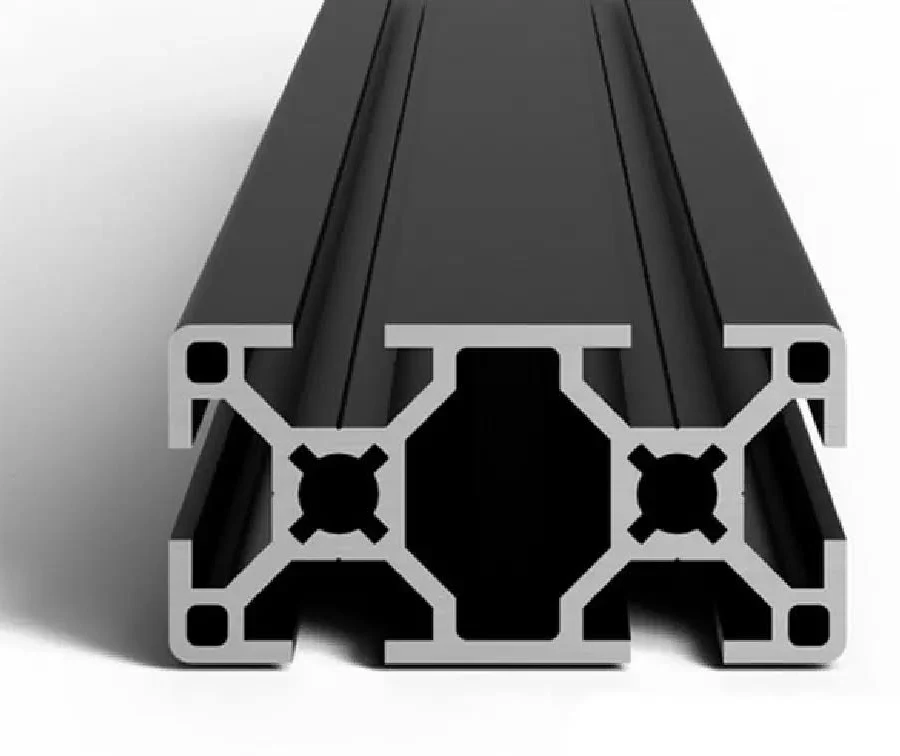
Stable framing starts at the floor, especially around machinery, guards, workstations, and material-handling systems. Proper anchoring keeps an aluminum structure from shifting under vibration, impact, or repeated use. Several mounting methods can secure an extruded aluminum T slot frame, but the right choice depends on the concrete, load, equipment layout, and need for future changes.
Floor Plates Create a Solid Connection Point
Floor plates attach to the lower ends or sides of vertical aluminum profiles and spread the anchoring force across a wider area. Installers usually fasten these plates to the T slot extrusion with bolts and slot nuts, then secure them to the concrete with mechanical or chemical anchors. Wider plates often provide better resistance against tipping because their anchor holes sit farther from the frame’s centerline.
Plate thickness also affects performance. Thin mounting feet may suit light barriers or display frames, while tall enclosures and machine supports need stronger plates with gussets or reinforced corners. Engineers should check that the plate, profile, connector, and floor anchor can handle the same expected forces.
Mechanical Anchors Offer Fast, Reliable Installation
Wedge anchors and sleeve anchors are common choices for factory floors. Workers drill into cured concrete, clear dust from the hole, insert the anchor through the floor plate, and tighten the nut. As the fastener expands, it grips the surrounding concrete and holds the frame in position.
Installation speed makes mechanical anchors useful for MiniTec extruded aluminum framing placed on sound, accessible slabs. Hole depth, anchor diameter, edge distance, and concrete condition still require attention. An oversized hole, shallow embedment, or cracked slab can reduce holding strength even when the anchor appears tight.
Chemical Anchors Handle Demanding Floor Conditions
Adhesive anchoring systems use resin to bond threaded rods inside drilled holes. This method can work well near slab edges or in locations where expansion pressure from a wedge anchor may create concerns. Chemical anchors may also provide deeper embedment and strong pullout resistance for equipment exposed to heavier loads.
Curing time separates this method from mechanical fastening. Crews must clean the holes carefully, inject the correct amount of resin, place the rod, and leave the connection untouched until the adhesive reaches its rated strength. Temperature, moisture, and product instructions can change how long that process takes.
Leveling Feet Help Before the Frame Is Fixed
Factory floors are rarely perfectly flat. Adjustable leveling feet allow installers to raise or lower individual corners before drilling anchor holes. Accurate leveling prevents doors from sagging, panels from twisting, and machine supports from carrying uneven loads.
Once alignment is correct, anchoring brackets can lock the structure to the slab. Leveling feet should not replace floor anchors where the frame faces tipping, vibration, or accidental contact. Instead, they help position MiniTec Aluminum Framing correctly so the permanent fasteners hold it without forcing the structure out of square.
Anchor Location Controls Frame Stability
Fasteners work best when they sit near the points where loads enter the floor. Tall guarding, cantilevered arms, and heavy equipment mounts create greater overturning force than short, evenly loaded frames. Placing anchors at each base corner helps distribute those forces and limits movement.
Cross members and diagonal braces can improve stability before additional anchors are added. A narrow T slot aluminum extrusion frame may need a wider base or extra floor plates if its height makes it easy to tip. Designers should examine the full structure rather than judging stability by anchor count alone.
Drilling Requires Care Around Factory Utilities
Concrete floors may hide electrical conduits, water lines, drains, heating systems, or reinforcement. Scanning the slab before drilling lowers the chance of striking buried services or cutting through important steel. Facility drawings can help, although older plants may not have complete records.
Dust control also matters during installation. Industrial vacuums, hollow drill bits, and proper cleaning tools keep debris out of the work area and improve anchor performance. Loose concrete dust left inside a hole can stop mechanical anchors from seating correctly and weaken adhesive bonds.
Removable Mounting Supports Future Layout Changes
Factories often rearrange production lines as equipment and workflows change. Bolted floor plates let crews remove an aluminum framing kit without cutting the frame apart. After the anchors are released, the profiles and connectors can often be reused in another layout.
Relocation planning should begin before installation. Accessible fasteners, replaceable feet, and clearly marked anchor points make future removal easier. Modular aluminum framing material offers more flexibility than welded supports, but damaged anchors and unused floor holes still need proper repair.
Vibration May Require Extra Reinforcement
Machines, conveyors, and powered tools can send repeated movement through nearby framing. Over time, vibration may loosen poorly tightened hardware or enlarge weak anchor holes. Locking fasteners, proper torque, bracing, and routine inspections help the assembly remain secure.
Isolation pads may reduce vibration transfer in certain applications, though they can also change how the base carries loads. Qualified designers should evaluate frames connected to moving equipment, robotic cells, or high-cycle machinery. Simple guards usually face different demands than structures supporting motors, controls, or process equipment.
Final Checks Confirm a Safe Installation
Inspectors should verify that the frame sits level, remains square, and shows no rocking at the base. Anchor nuts need the specified torque, while floor plates should rest flat without gaps or bent edges. Doors, panels, and mounted equipment should operate freely after tightening.
Documentation provides a record of anchor type, size, embedment, and installation location. For businesses planning fixed guards, workstations, enclosures, or equipment supports, MiniTec Solutions can supply compatible MiniTec Aluminum Framing components and help match the frame design with suitable mounting hardware for the intended factory setting.